

In the intricate world of chess, where each move carries weight and consequences, understanding defensive openings is essential for any aspiring player. While intense tactics often get attention for their particular dynamic nature, it can the subtle maneuvers and strategic experience of defensive opportunities that lay the building blocks for a strong chess game. Throughout this comprehensive guidebook, we delve into the art of defensive chess openings, checking out their significance, crucial principles, and notable strategies to help an individual navigate the complexity of the chessboard with confidence and resilience.
Understanding Defensive Openings:
Defensive availabilities in chess are usually seen as an emphasis on solidifying their position, fortifying important squares, and thwarting the opponent's intense intentions. Unlike https://amsterdamchessacademy.com/ that target for quick advancement and direct attacks, defensive openings prioritize stability and overall flexibility, allowing players to be able to weather their opponent's onslaught while patiently waiting for opportunities in order to counterattack or transition into an extra active phase in the game.
Key Concepts:
1. Solid Pawn Structures: Building the resilient pawn framework forms the backbone of defensive opportunities. By establishing a solid foundation of pawns, players can create a face shield that protects their pieces and restricts their opponent's mobility.
2. Control of the Center: While defensive openings may primarily concede space for the opponent, they frequently try to exert indirect control of the key squares. By thoroughly maneuvering pieces and coordinating pawn breaks or cracks, players can challenge their opponent's main dominance and challenge their position.
a few. Flexible Piece Development: Flexibility is crucial in defensive opportunities, as it enables players to adjust to changing circumstances plus respond effectively with their opponent's moves. Building pieces harmoniously, preserving options for repositioning, and avoiding unwanted commitments are necessary aspects of defensive play.
Notable Shielding Openings:
1. Typically the Caro-Kann Defense: Well-known for its solidity and resilience, the Caro-Kann Defense entails a beginning d7-d5 pawn push, aiming to be able to establish a firm foothold in typically the center while setting up for dynamic counterplay on the flanks.
2. The Nimzo-Indian Defense: By fianchettoing the king's bishop and exerting stress on the main e4-square, the Nimzo-Indian Defense combines protecting solidity with strategic counterplay, offering gamers opportunities for energetic piece placement and charge of critical gauche.
3. The Bremen Defense: Popularized by simply its frequent appearance in high-level mentally stimulating games, the Berlin Defense arises from the Ruy Lopez opening in addition to is seen as an earlier exchange of a queen, leading to basic, yet highly nuanced positions where protective skills are paramount.
Strategic Guidelines:
1 . Patience and Prophylaxis: Patience is a virtue in shielding chess openings, like players must be willing to go through temporary setbacks whilst awaiting favorable possibilities. Prophylactic thinking, anticipating the opponent's ideas, and preemptively dealing with potential threats are necessary skills for shielding players.
2. Requisitioning the Initiative: Whilst defensive openings focus on solidity and strength, they should certainly not be passive. Recognizing moments to get the initiative, launch counterattacks, or changeover into active perform is crucial with regard to maintaining a way equilibrium and to get opponent off balance.
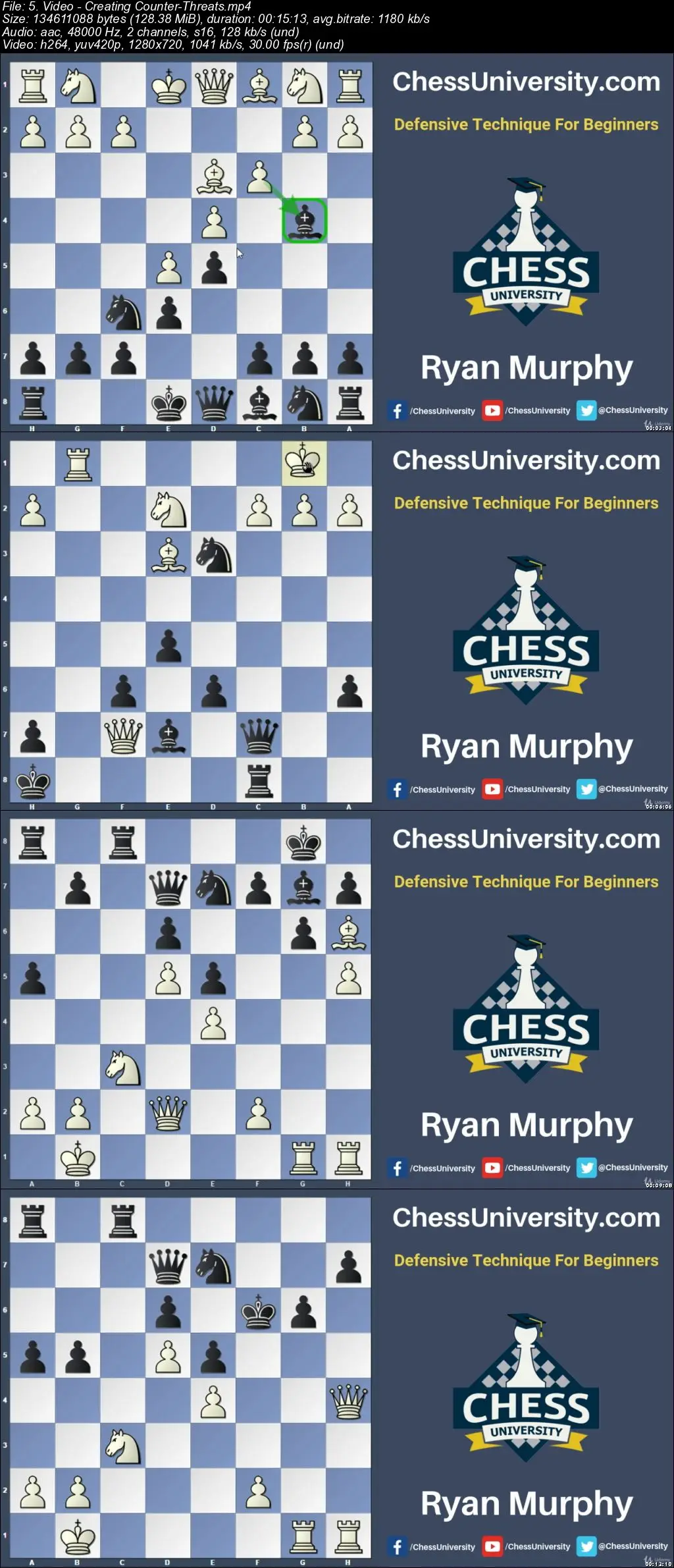
3. Endgame Knowledge: Defensive openings frequently lead to structure endgame positions where precise calculation plus strategic understanding turn out to be paramount. Developing skills in endgame enjoy, understanding key ideas like pawn framework, piece activity, and king safety, is certainly essential for transforming defensive advantages directly into tangible victories.
Understanding the concepts of defensive chess opportunities is a trip that requires dedication, patience, and some sort of deep comprehension of proper principles. By taking on the solidity, overall flexibility, and strategic foresight inherent in preventive play, players can certainly navigate the complexity of the chessboard with confidence, resilience, and ultimately, mastery. Whether facing hostile opponents or in search of to outmaneuver adversaries with subtle accurate, the art regarding defensive chess openings remains a foundation of strategic quality within the timeless video game of chess.